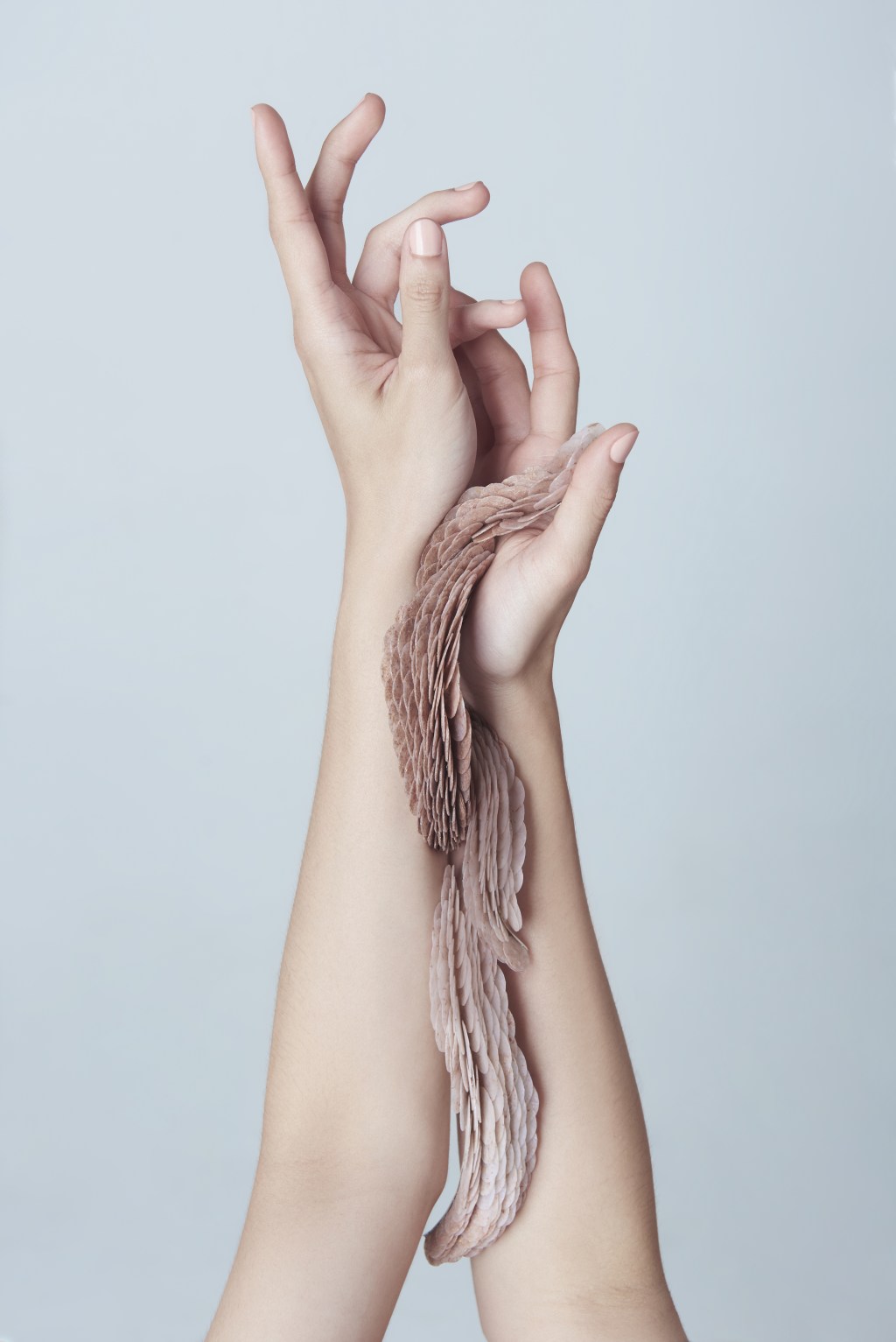
Nowadays, ‘Plastic’ has been framed as a destroyer of the natural environment and ecosystem. The creation of plastic was to stop deforestation and animal killing for producing many kinds of products. Genuinely, ‘Plastic’ was invented as an alternative material to save ‘Nature’ from being invaded by humankind.
However, ‘Plastic’ has become the biggest problem for everyone because it affects individuals both present and future. Many campaigns are held to reduce plastic used in everyday life, or several advertisements propose other eco-friendly materials. These have raised awareness and understanding of the damage of plastic over-used nowadays.
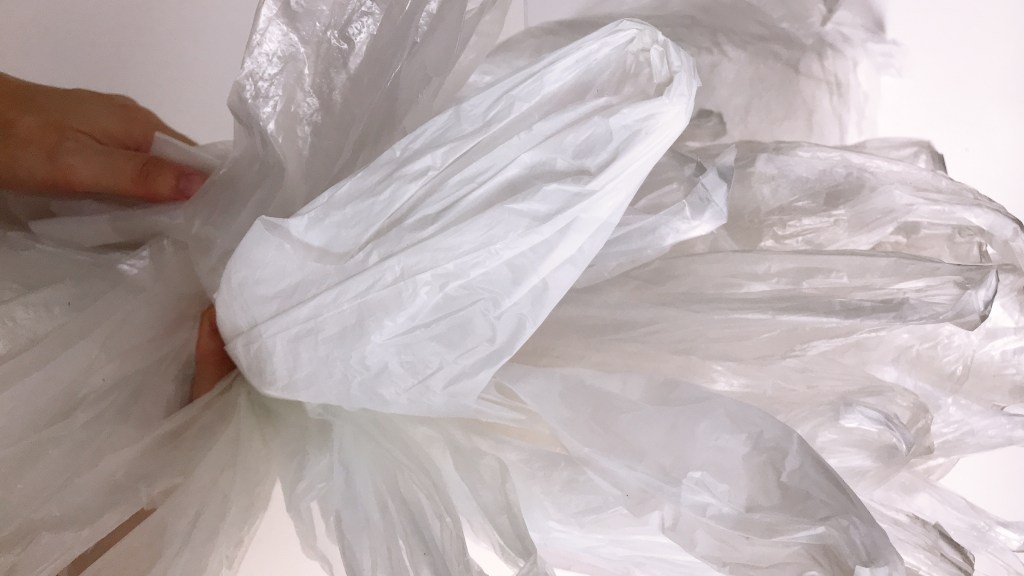
A group of people who are responsible for the utilize of plastic is the designers, who have directed the material trends in the creative industry. From fashion to furniture, some designers seek to apply ‘design method‘ as a solution to this issue.
The doctoral project of Onuma Wichaikul, a jewellery designer and lecturer at the Department of Jewellery Design, Silpakorn University, is one of them. Jewellery: The Thread of Self-Sufficiency is her doctoral thesis that concentrates on the overuse of plastic bags. During the research, she has developed the appearance and attribute of plastic and natural fibre as an innovative material for jewellery design and making.
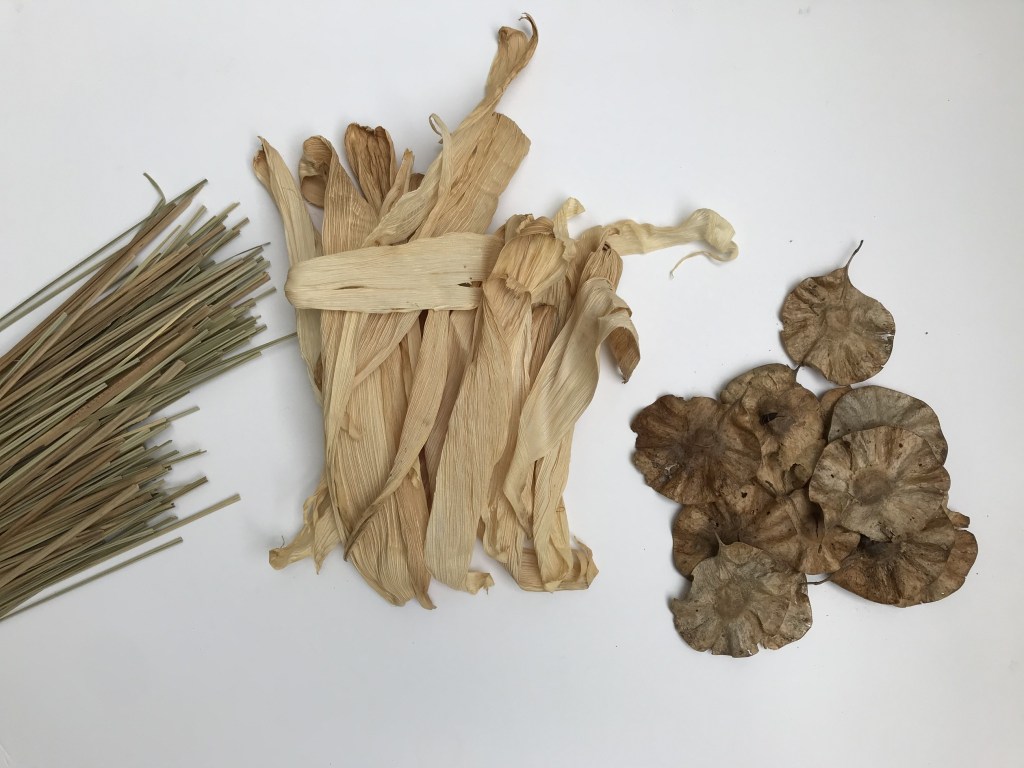
This research has followed the philosophy of the self-sufficiency economy of the late King Bhumibol Adulyadej of Thailand that focused on the concept of sustainable development. A person should consider human capability and respect natural resources, then increase their potential by creating maximum result without the complexity of the process. Onuma has investigated natural fibres from the Royal Projects of the late King which later she has experimented them with unwanted plastic bags.


Every plastic bag Onuma has used in her research is leftover from people in the same apartment. After collected, analysed, and categorised, she began to explore the process of transformation plastic bags in comparison with the jewellery making techniques.
Onuma started with annealing, which is the jewellery technique to heat metal, but instead, she heated plastic until it melted. This action allowed different materials to be joining together. After that, she continued with rolling sheets to create layers between plastic and natural fibre. With varying amounts of these fibres directed the shade of colours to this combined material.
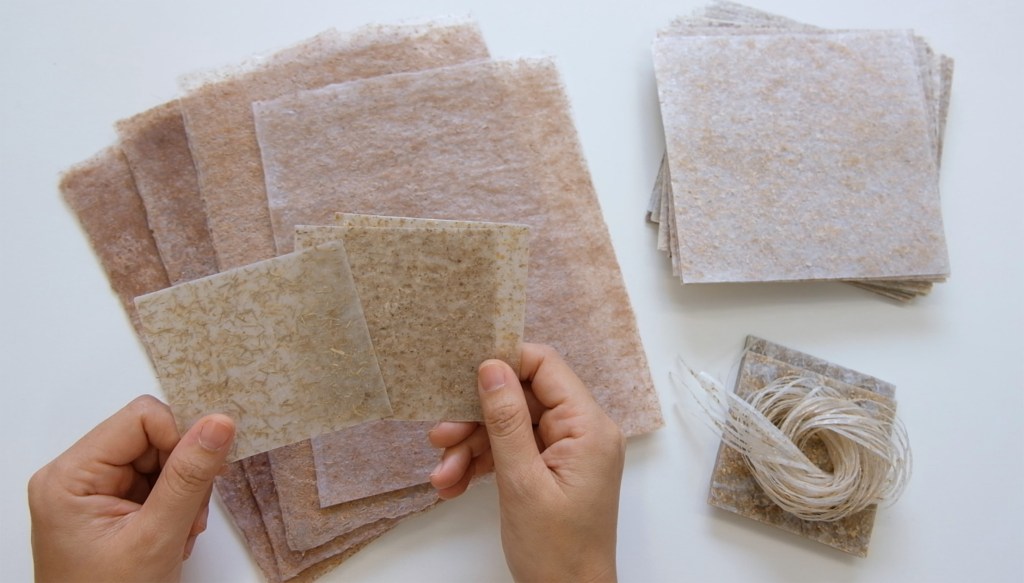

During the process of investigation and experimentation this new material, Onuma has found the potential of its transformation, which could be developed in the contemporary jewellery aspect. Although in general understanding, the jewellery should make of precious materials and by sophisticated artisans. This sheet of semi-plastic may not cost high-priced, but when the jewellery making techniques has treated, makes it unique and stand out from any other materials.
Later, Onuma applied the technique of sawing to cut the semi-plastic sheets in various shapes following her designs and create sculptural forms in the jewellery context. She studied and referred to the art composition theory, such as proportion, rhythm, and repetition, which explicitly reflected throughout her works. Moreover, her jewellery is not only for decorating outward appearance but also enhancing soul and realising genuine inner beauty.
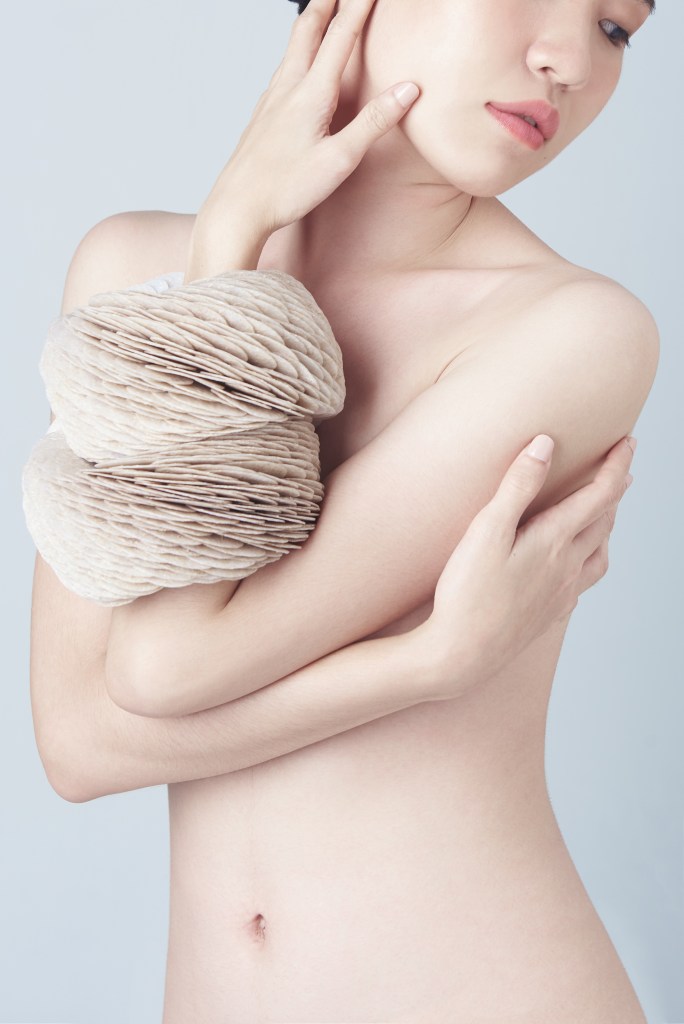
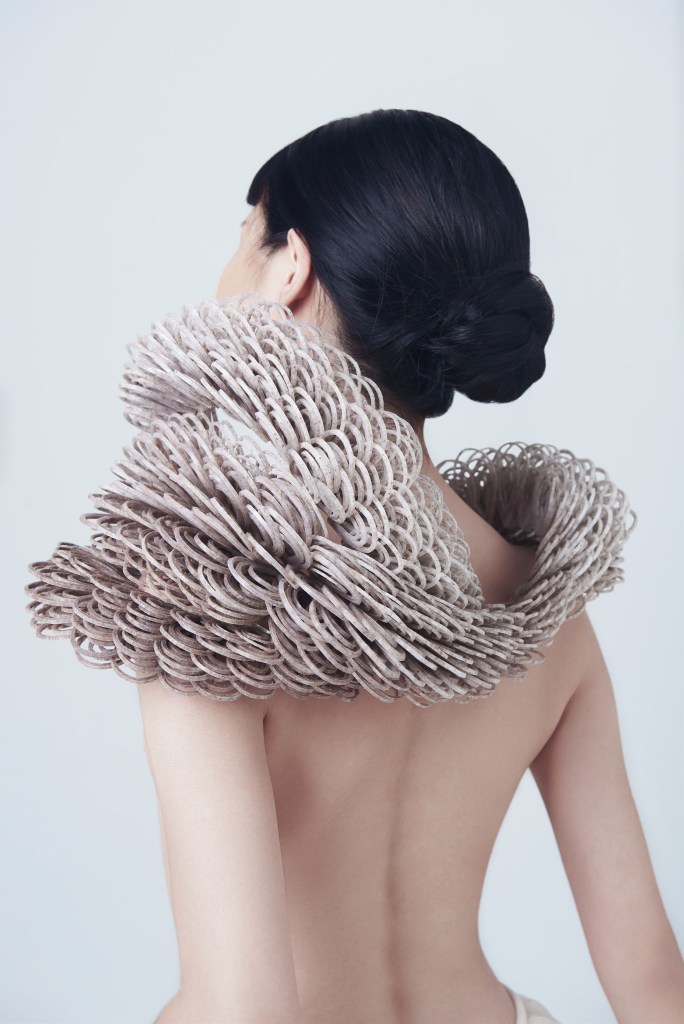


Remaining;
The design process which emphasises respecting the geography and maximising existing natural resources
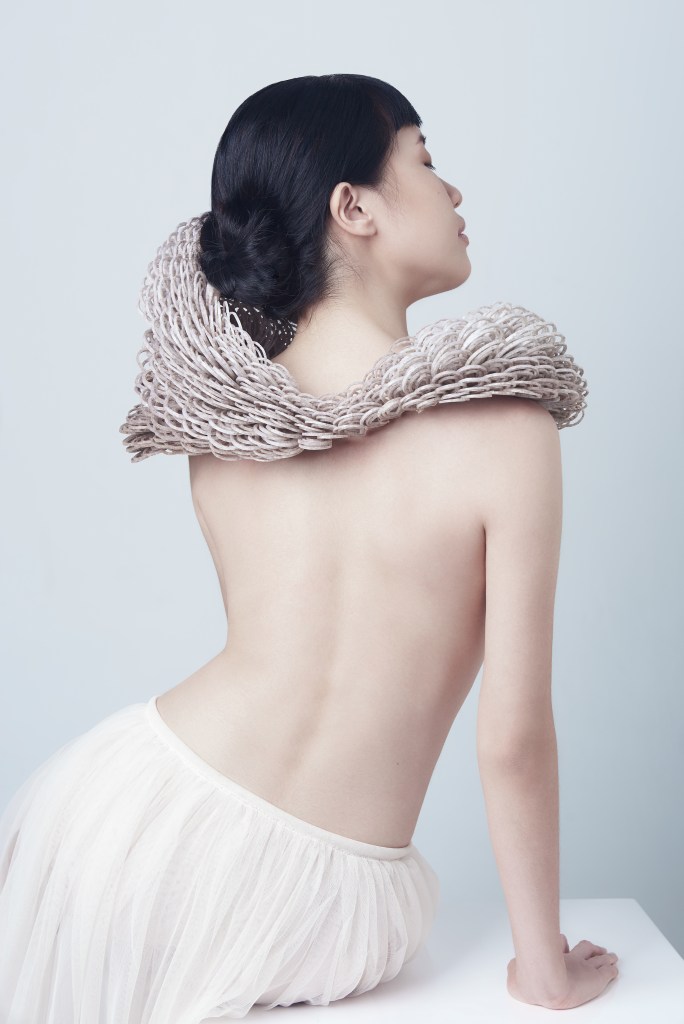
Efficiency;
to integrate production technology adequately in order to increase the potential of the available resources

Creation;
the knowledge collaboration which encourage the connection between jewellery piece, person, and environment
This collection of contemporary jewellery shows the potential of a Thai designer who explored and developed the leftover materials into its new definition, increasing more value and proposing new function in different field. They are not only expanding the boundary of materials used but also pushing the meaning of contemporary jewellery to another level.
*If you are interested to see more of Onuma Wichaikul‘s jewellery works, please follow her at @onn.wichaikul on Instagram.
 PILYNN SIRIPHANICH
Leave a comment